Ultimate 7 Days Rongai Route Kilimanjaro Trekking 2026, 2027 & 2028
Overview
Tour Overview
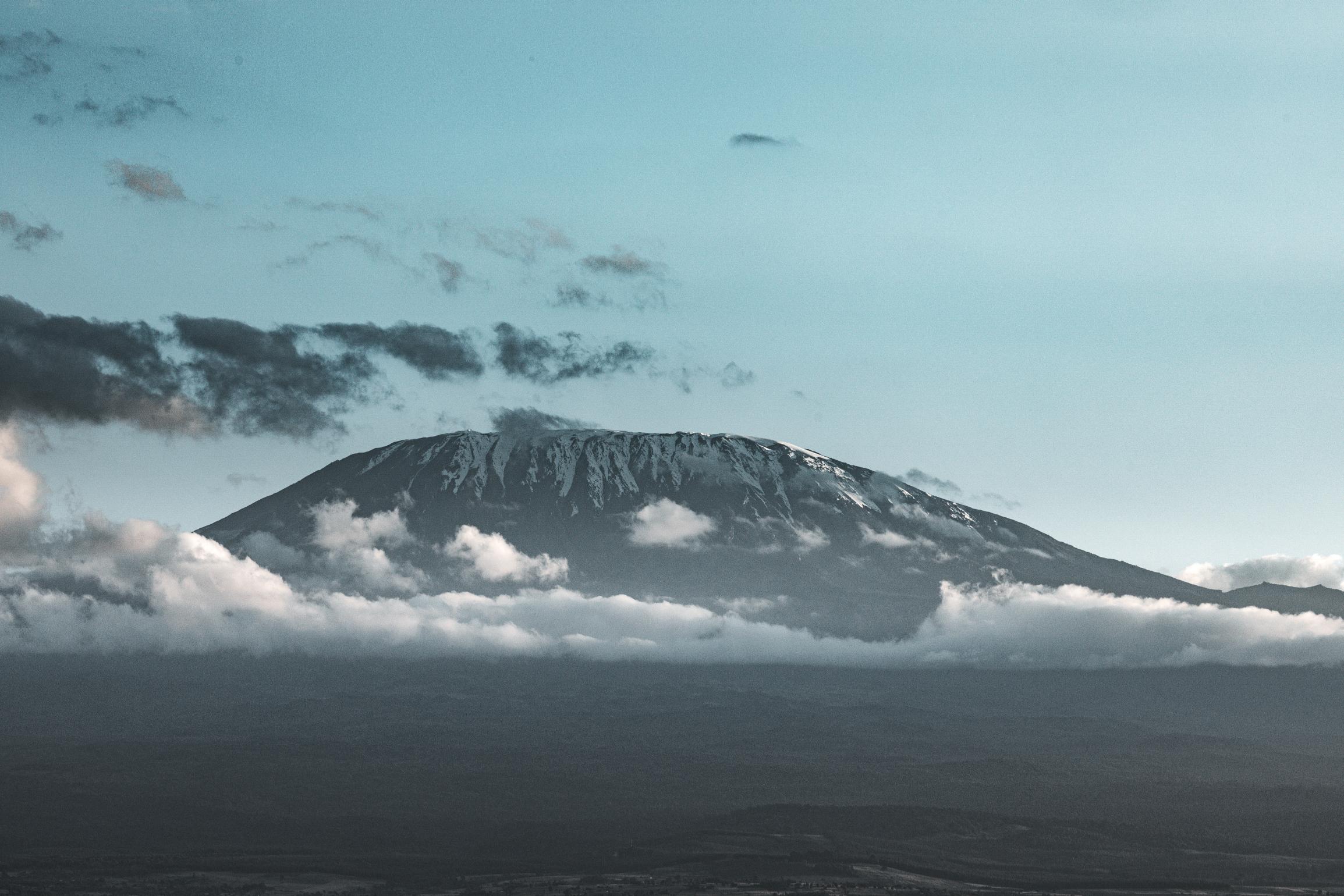
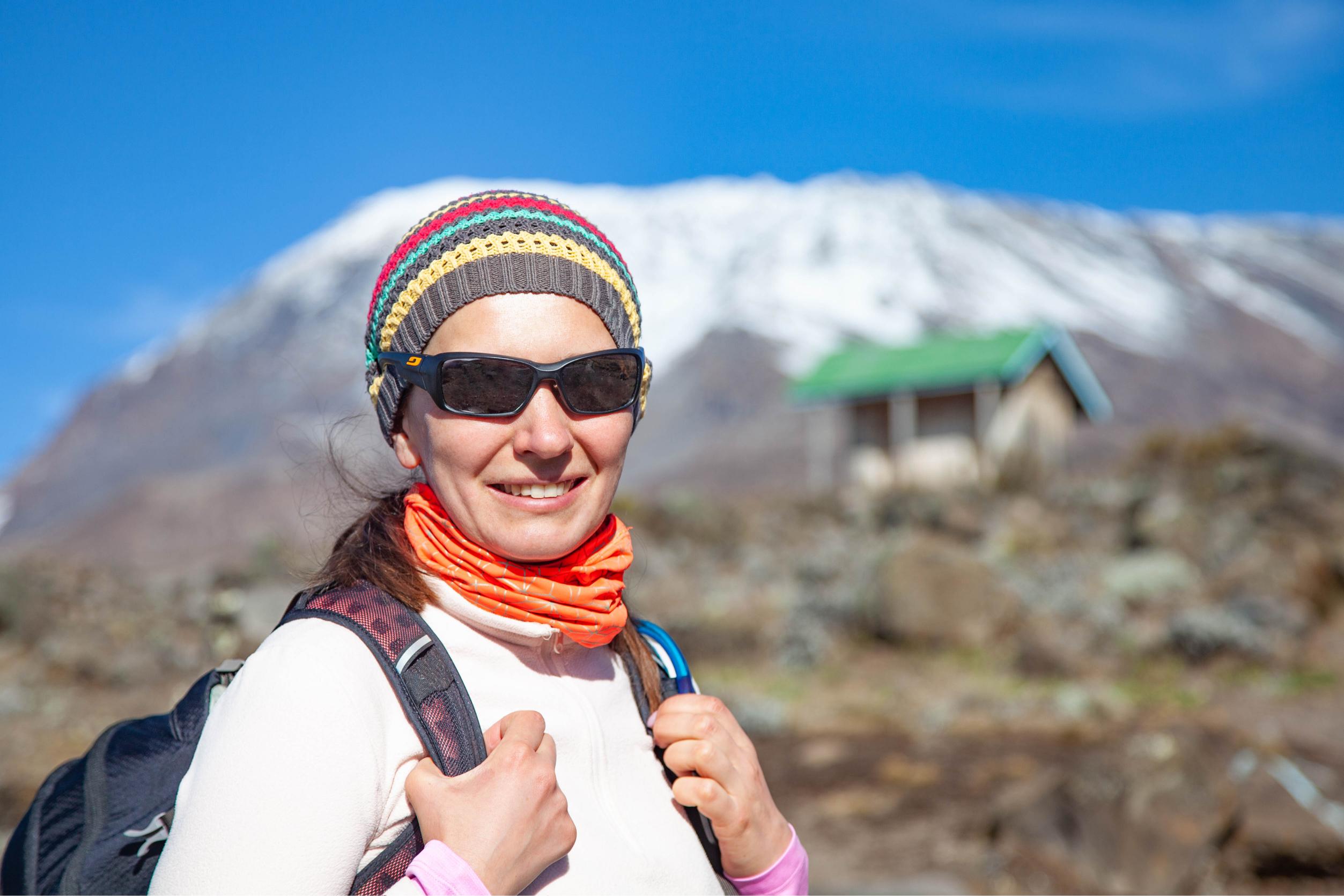
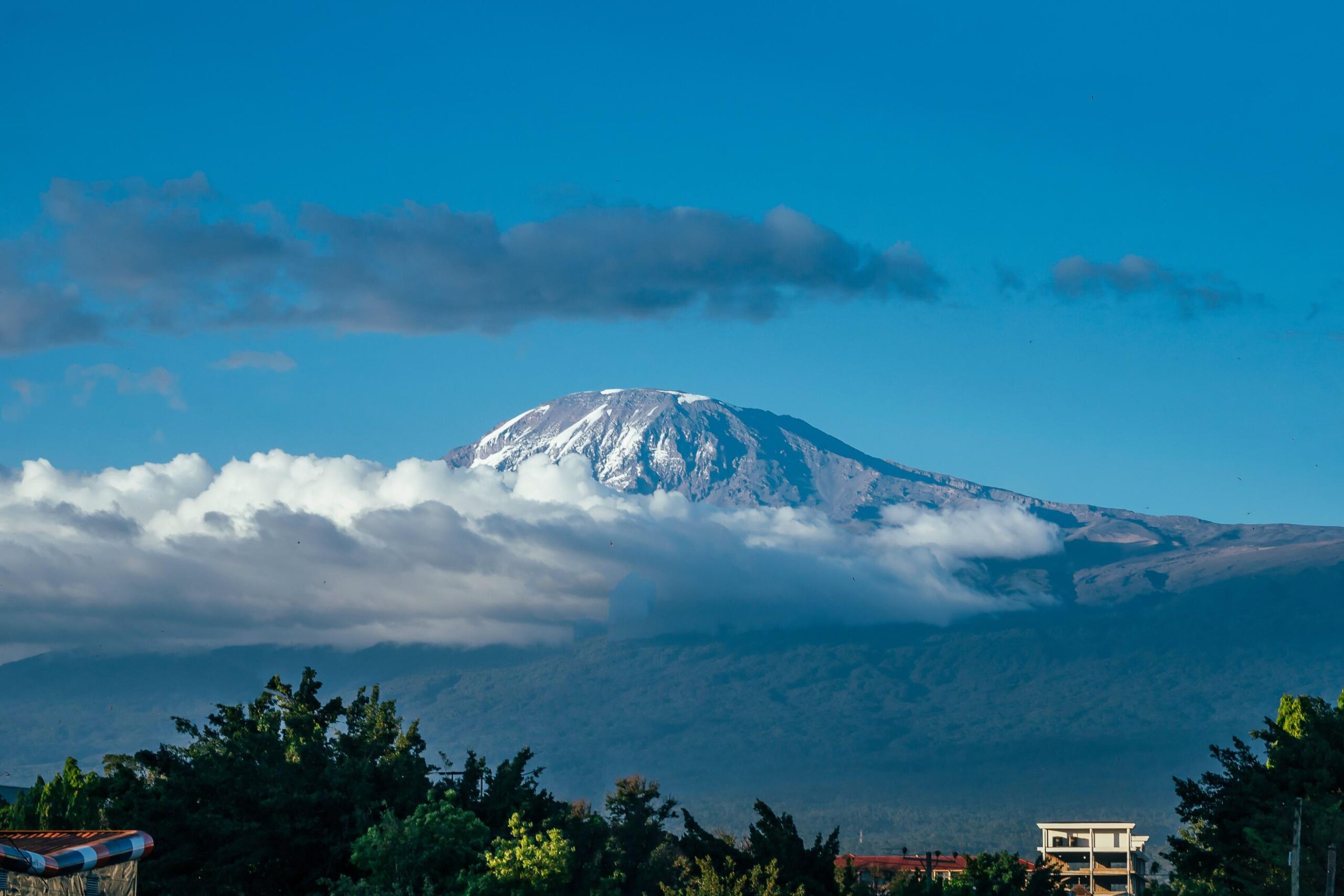
The Ultimate 7 Days Rongai Route Kilimanjaro Trekking 2026, 2027 & 2028 offers one of the most unique and scenic ways to climb Mount Kilimanjaro, Africa’s highest mountain and the tallest free-standing mountain in the world. Approaching Kilimanjaro from the northern side near the Kenyan border, the Rongai Route is known for its quieter trails, gradual ascent, and excellent wilderness scenery.
Unlike the busier southern routes, the Rongai Route provides a more remote trekking experience with fewer crowds and outstanding views of Kilimanjaro’s northern slopes. The route passes through beautiful rainforest, moorland, alpine desert, and arctic summit landscapes before reaching Uhuru Peak at 5,895 meters.
This 7-day itinerary allows extra acclimatization time, improving summit success rates while offering a comfortable trekking pace.
The Rongai Route is ideal for:
- First-time Kilimanjaro climbers
- Trekkers seeking quieter trails
- Nature lovers
- Adventure travelers
- Couples and groups
- Climbers preferring gradual ascents
This unforgettable mountain adventure combines professional guiding services, stunning scenery, and the achievement of standing on the Roof of Africa.
Route Highlights
- Quiet and less crowded trekking route
- Gradual ascent profile
- Excellent for acclimatization
- Beautiful northern mountain scenery
- Diverse ecological zones
- Camping under the stars
- Professional mountain crew support
- Scenic descent via Marangu Route
About the Rongai Route
Rongai Route is the only Kilimanjaro route that approaches the mountain from the north near the Kenya border.
Route Facts
| Feature | Details |
|---|---|
| Duration | 7 Days |
| Difficulty | Moderate |
| Success Rate | High |
| Starting Point | Rongai Gate |
| Summit Point | Uhuru Peak |
| Accommodation | Mountain camping |
The route descends through the Marangu Route after the summit.
Why Choose the Rongai Route
The Rongai Route is one of the best choices for trekkers seeking a quieter and more gradual Kilimanjaro experience.
Benefits of the Rongai Route:
- Fewer crowds
- Gradual altitude gain
- Excellent summit success rates
- Drier northern mountain side
- Beautiful wilderness scenery
- Good option during rainy seasons
The route is ideal for climbers wanting a peaceful and scenic trekking adventure.
7 Days Rongai Route Detailed Itinerary
Day 1: Moshi to Rongai Gate – Trek to Simba Camp
Elevation
| Location | Height |
|---|---|
| Rongai Gate | 1,950m |
| Simba Camp | 2,650m |
Hiking Time
3–4 hours
The adventure begins with a drive from Moshi to Rongai Gate near the Kenyan border for registration. After meeting the mountain crew, trekkers begin hiking through rainforest and farmland landscapes.
The trail gradually ascends toward Simba Camp for dinner and overnight stay.
Meals Included
- Lunch
- Dinner
Day 2: Simba Camp to Second Cave Camp
Elevation
| Location | Height |
|---|---|
| Simba Camp | 2,650m |
| Second Cave Camp | 3,450m |
Hiking Time
5–6 hours
Trekkers continue through moorland landscapes with beautiful views of Kibo Peak and the Kenyan plains.
The gradual ascent helps with acclimatization while offering peaceful trekking trails.
Meals Included
- Breakfast
- Lunch
- Dinner
Day 3: Second Cave Camp to Kikelewa Camp
Elevation
| Location | Height |
|---|---|
| Second Cave Camp | 3,450m |
| Kikelewa Camp | 3,600m |
Hiking Time
3–4 hours
This shorter trekking day allows climbers additional acclimatization time while enjoying panoramic mountain scenery.
Trekkers pass through giant senecio plants and volcanic landscapes before reaching Kikelewa Camp.
Meals Included
- Breakfast
- Lunch
- Dinner
Day 4: Kikelewa Camp to Mawenzi Tarn Camp
Elevation
| Location | Height |
|---|---|
| Kikelewa Camp | 3,600m |
| Mawenzi Tarn Camp | 4,330m |
Hiking Time
4–5 hours
Trekkers ascend toward Mawenzi Tarn Camp located beneath the dramatic Mawenzi Peak.
The camp offers some of Kilimanjaro’s most spectacular mountain scenery and excellent acclimatization opportunities.
Meals Included
- Breakfast
- Lunch
- Dinner
Day 5: Mawenzi Tarn Camp to Kibo Hut
Elevation
| Location | Height |
|---|---|
| Mawenzi Tarn Camp | 4,330m |
| Kibo Hut | 4,700m |
Hiking Time
5–6 hours
The trail crosses the alpine desert zone toward Kibo Hut, the final base camp before summit night.
Trekkers rest early and prepare summit gear before the midnight ascent.
Meals Included
- Breakfast
- Lunch
- Dinner
Day 6: Kibo Hut – Uhuru Peak – Horombo Hut
Elevation
| Location | Height |
|---|---|
| Kibo Hut | 4,700m |
| Uhuru Peak | 5,895m |
| Horombo Hut | 3,720m |
Hiking Time
10–14 hours
The summit attempt begins around midnight under the stars.
Trekkers ascend toward Gilman’s Point before continuing to Uhuru Peak, the highest point in Africa.
At sunrise, climbers celebrate reaching the summit while enjoying spectacular glacier and panoramic cloud views.
After summit photos and celebrations, the descent continues to Horombo Hut for overnight rest.
Meals Included
- Breakfast
- Lunch
- Dinner
Day 7: Horombo Hut to Marangu Gate
Elevation
| Location | Height |
|---|---|
| Horombo Hut | 3,720m |
| Marangu Gate | 1,870m |
Hiking Time
5–7 hours
The final descent passes through lush rainforest trails back to Marangu Gate where climbers receive summit certificates.
Guests are then transferred back to Moshi for relaxation or onward travel.
Meals Included
- Breakfast
- Lunch
Best Time to Climb Kilimanjaro
The Rongai Route can be climbed year-round, but dry seasons provide the best trekking conditions.
| Season | Conditions |
|---|---|
| January – March | Cooler weather with fewer crowds |
| June – October | Best weather and summit visibility |
| November – December | Short rains with greener scenery |
The northern side of Kilimanjaro is generally drier than the southern routes.
What Is Included
✅ Kilimanjaro National Park fees
✅ Professional mountain guides
✅ Porters and cook
✅ Camping equipment
✅ Mountain meals
✅ Drinking water
✅ Rescue fees
✅ Airport transfers
✅ Summit certificates
What Is Excluded
❌ International flights
❌ Tanzania visa
❌ Personal trekking gear
❌ Travel insurance
❌ Hotel accommodation before/after trek
❌ Tips for mountain crew
Recommended Packing List
Essential Trekking Gear:
- Waterproof hiking boots
- Thermal clothing
- Warm sleeping bag
- Waterproof jacket
- Gloves and hat
- Headlamp
- Trekking poles
- Sunglasses
- Sunscreen
Proper trekking equipment is essential for comfort and summit success.
Difficulty Level
The Rongai Route is considered moderately difficult.
Suitable For:
- Beginners with good fitness
- Experienced trekkers
- Adventure travelers
The gradual ascent profile makes the route one of the better options for acclimatization.
Why Choose Eshulai Safaris
Eshulai Safaris provides professionally guided Kilimanjaro trekking adventures with experienced mountain crews and excellent safety standards.
Why Trekkers Choose Eshulai Safaris:
- Certified mountain guides
- High summit success rates
- Quality camping equipment
- Personalized trekking experiences
- Safety-focused operations
- Experienced support crew
Every climb is carefully organized to provide safe and unforgettable mountain adventures.
Frequently Asked Questions
Is the Rongai Route suitable for beginners?
Yes, it is one of the best Kilimanjaro routes for beginners due to its gradual ascent.
Do I sleep in huts on the Rongai Route?
No, accommodation on the Rongai Route is in mountain camping tents except during descent via Horombo Hut.
What is the summit success rate?
The 7-day itinerary offers high summit success rates because of good acclimatization.
How difficult is the Rongai Route?
The route is considered moderately challenging with gradual trekking days.
What is the best month to climb?
June to October offers the best weather and summit visibility.
Can I combine Kilimanjaro with safari or Zanzibar?
Yes, many trekkers combine Kilimanjaro climbs with Tanzania safaris or Zanzibar beach holidays.
Book Your Kilimanjaro Adventure
Experience one of Africa’s greatest adventures with the Ultimate 7 Days Rongai Route Kilimanjaro Trekking 2026, 2027 & 2028.
From rainforest trails and volcanic landscapes to the summit of Uhuru Peak, this unforgettable trek offers breathtaking scenery and the ultimate mountain achievement.
Reserve your Kilimanjaro climb today with Eshulai Safaris and conquer the Roof of Africa.

Ready To Plan Your Next Tanzania Adventure?
Whether you're dreaming of a luxury safari, Kilimanjaro climb, Zanzibar beach holiday, cultural experience, or private day trip, our Tanzania travel specialists are ready to help create your perfect itinerary.
Frequently Asked Questions
Find answers to the most common questions about Tanzania safaris, Kilimanjaro climbing, Zanzibar holidays, cultural tours and travel planning.