May 30, 2026
Kilimanjaro National Park 2026, 2027 & 2028: The Ultimate Guide to Africa’s Highest Mountain
Introduction to Kilimanjaro National Park
Kilimanjaro National Park is one of Africa’s most iconic natural treasures and a dream destination for adventurers, trekkers, nature lovers, and wildlife enthusiasts from around the world. Home to the legendary Mount Kilimanjaro, the park attracts thousands of visitors every year who come to experience the challenge of climbing Africa’s highest mountain and exploring its extraordinary landscapes.
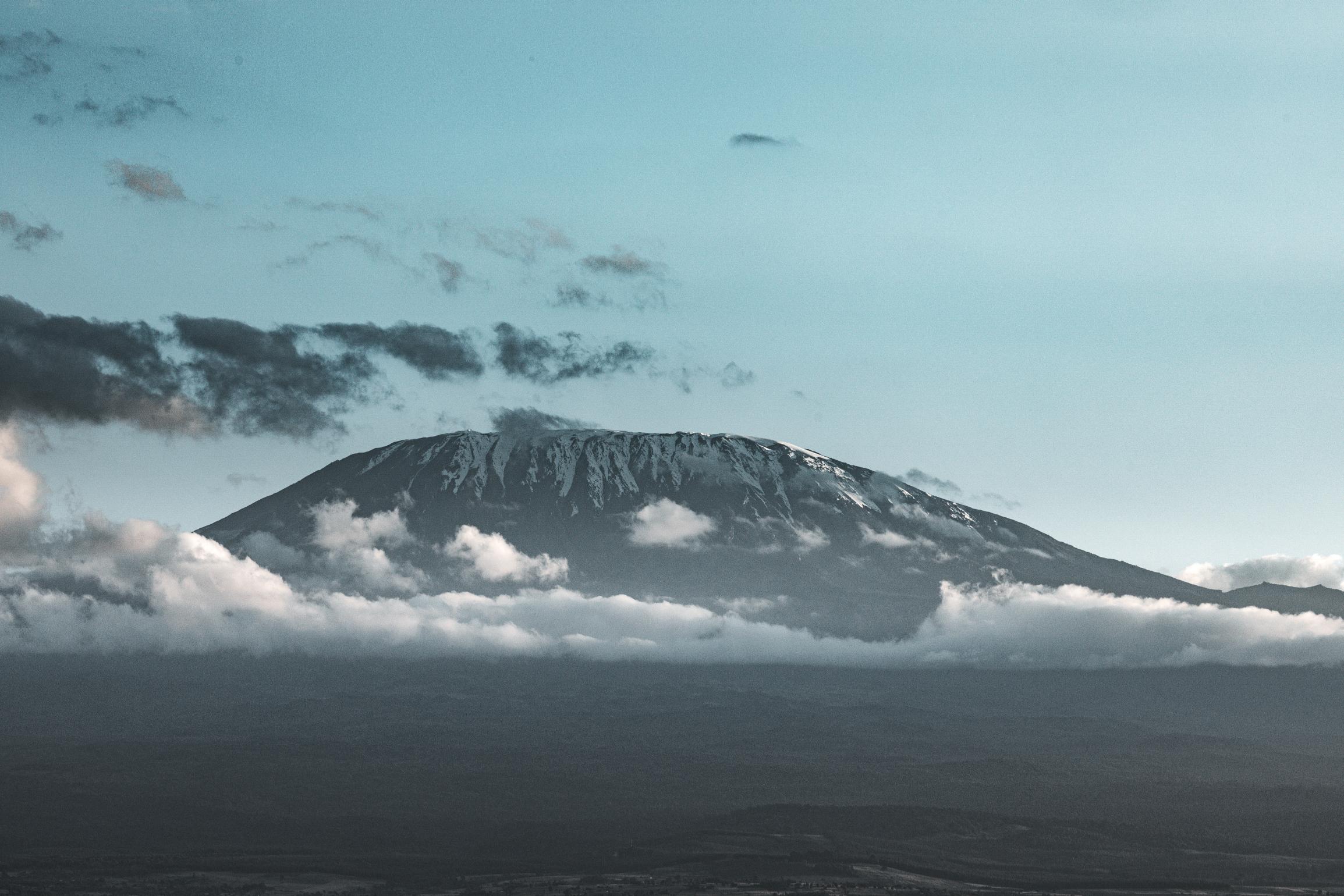
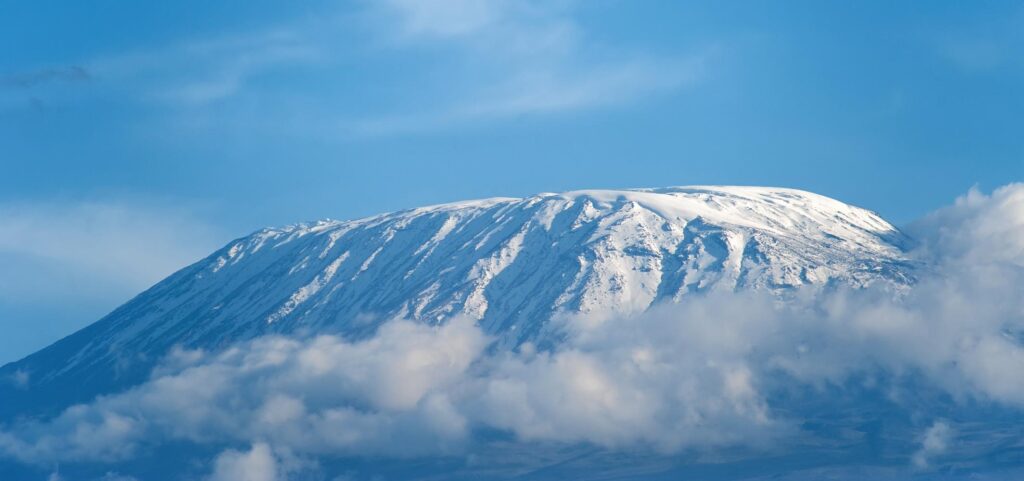
Standing at 5,895 meters (19,341 feet), Mount Kilimanjaro is the tallest mountain in Africa and the highest free-standing mountain on Earth. Its snow-capped summit rises dramatically above the surrounding plains, creating one of the most recognizable natural landmarks in the world.
For travelers planning their Tanzania adventure in 2026, 2027, or 2028, Kilimanjaro National Park offers unforgettable trekking experiences, breathtaking scenery, diverse ecosystems, and the ultimate sense of achievement upon reaching Uhuru Peak.
At Eshulai Safaris, we specialize in professionally guided Kilimanjaro climbs designed to provide safe, successful, and memorable adventures for climbers of all experience levels.
Where Is Kilimanjaro National Park Located?
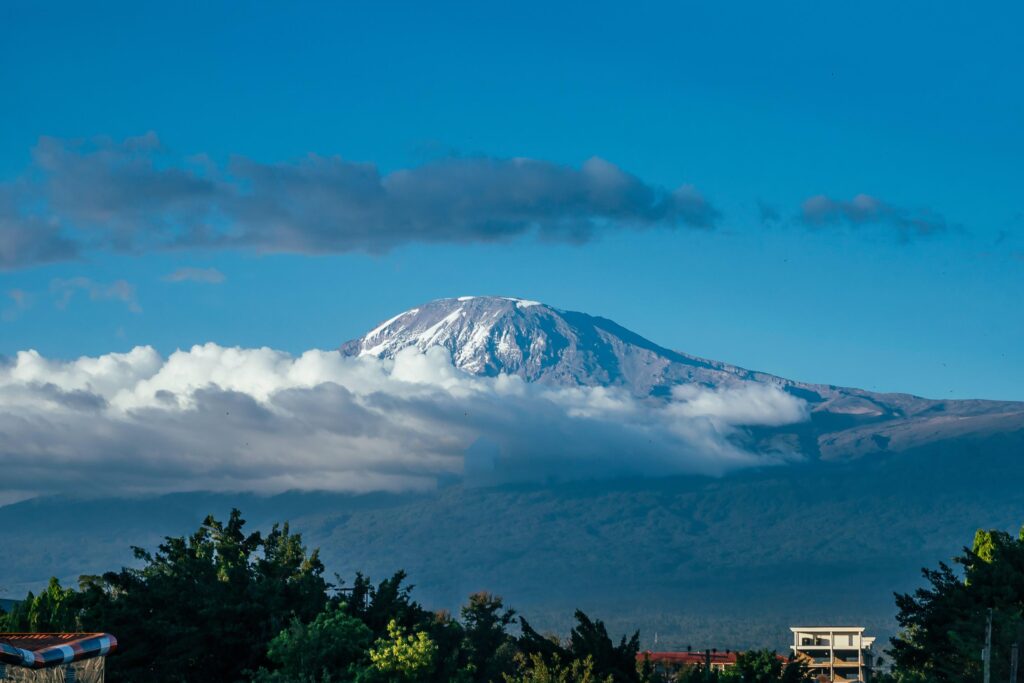
Kilimanjaro National Park is located in northeastern Tanzania near the border with Kenya.
Location Overview
| Destination | Distance |
|---|---|
| Moshi Town | Approximately 30 km |
| Arusha | Approximately 80 km |
| Kilimanjaro International Airport | Approximately 45 km |
| Nairobi, Kenya | Approximately 200 km |
The park covers approximately 1,688 square kilometers and protects the mountain’s unique ecosystems and wildlife habitats.
About Mount Kilimanjaro
Mount Kilimanjaro consists of three volcanic cones:
Kibo
The highest and most famous peak.
Mawenzi
A rugged and dramatic volcanic peak.
Shira
An ancient volcanic cone that has largely eroded over time.
Mount Kilimanjaro Facts
| Feature | Details |
|---|---|
| Elevation | 5,895 meters |
| Location | Northern Tanzania |
| Type | Stratovolcano |
| UNESCO Status | World Heritage Site |
| Highest Point | Uhuru Peak |
Despite its impressive height, Kilimanjaro does not require technical climbing skills, making it accessible to adventurous trekkers with good physical fitness.
Why Is Kilimanjaro National Park Famous?
Africa’s Highest Mountain
The primary attraction is Mount Kilimanjaro itself, often referred to as the “Roof of Africa.”
Reaching Uhuru Peak is considered one of the greatest achievements in adventure travel.
Seven Summits Challenge
Mount Kilimanjaro is one of the prestigious Seven Summits, the highest mountains on each continent.
Many climbers include Kilimanjaro as part of their global mountaineering goals.
UNESCO World Heritage Site
Kilimanjaro National Park was designated a UNESCO World Heritage Site due to its outstanding natural beauty and ecological significance.
Unique Ecological Zones
The mountain features five distinct climate zones:
- Cultivated farmland
- Rainforest
- Heath and moorland
- Alpine desert
- Arctic summit zone
Trekkers experience multiple ecosystems during a single climb.
Wildlife in Kilimanjaro National Park
Although Kilimanjaro is primarily known for trekking, the park also supports diverse wildlife.
Animals Found in the Park
Visitors may encounter:
- Blue monkeys
- Colobus monkeys
- Bushbucks
- Duikers
- Elephants
- Buffaloes
- Leopards (rarely seen)
- Hyraxes
Most wildlife sightings occur in the lower rainforest zones.
Popular Kilimanjaro Climbing Routes
Several routes lead to the summit of Mount Kilimanjaro.
Each offers unique scenery, difficulty levels, and success rates.
Lemosho Route
The Lemosho Route is considered one of the most scenic and successful routes.
Highlights:
- Excellent acclimatization
- High summit success rates
- Beautiful landscapes
- Less crowded trails
Typical duration:
- 7 to 8 days
Machame Route
The Machame Route is one of the most popular routes.
Highlights:
- Stunning scenery
- Diverse ecosystems
- Good acclimatization profile
Typical duration:
- 6 to 7 days
Marangu Route
The Marangu Route is known as the “Coca-Cola Route.”
Highlights:
- Hut accommodation
- Easier logistics
- Popular among beginners
Typical duration:
- 5 to 6 days
Rongai Route
The Rongai Route approaches Kilimanjaro from the northern side.
Highlights:
- Less crowded
- Drier conditions
- Beautiful wilderness scenery
Typical duration:
- 6 to 7 days
Umbwe Route
The Umbwe Route is the steepest and most challenging route.
Highlights:
- Remote experience
- Fast ascent
- Challenging terrain
Recommended for experienced trekkers.
Best Time to Climb Kilimanjaro
Mount Kilimanjaro can be climbed year-round.
January to March
Highlights:
- Cooler temperatures
- Fewer climbers
- Snow on the summit
Excellent for photographers.
June to October
Highlights:
- Dry weather
- Best climbing conditions
- Clear summit views
This is the most popular climbing season.
November to December
Highlights:
- Green landscapes
- Fewer crowds
- Short rainy season
Good for travelers seeking quieter climbs.
What Makes Kilimanjaro Special?
Few mountains in the world offer such diversity.
During the climb, trekkers experience:
Rainforest Zone
Dense forests filled with wildlife and birds.
Moorland Zone
Open landscapes with giant senecio and lobelia plants.
Alpine Desert
Rocky volcanic terrain with dramatic scenery.
Arctic Summit
Glaciers, ice fields, and the famous Uhuru Peak.
Every day presents completely different landscapes.
How Difficult Is Kilimanjaro?
Kilimanjaro is considered a non-technical mountain climb.
No ropes or technical climbing equipment are required.
Main Challenges:
- Altitude sickness
- Physical endurance
- Cold temperatures
- Long trekking days
Success depends more on acclimatization than athletic ability.
How to Prepare for a Kilimanjaro Climb
Successful climbers typically prepare by:
Physical Training
- Hiking
- Walking
- Running
- Strength training
Mental Preparation
- Positive mindset
- Patience
- Determination
Proper Equipment
- Hiking boots
- Warm clothing
- Waterproof gear
- Trekking poles
Preparation significantly improves summit success rates.
Accommodation During the Climb
Accommodation depends on the route selected.
Hut Accommodation
Available on:
- Marangu Route
Camping Accommodation
Available on:
- Lemosho Route
- Machame Route
- Rongai Route
- Umbwe Route
Professional mountain crews set up camps each day.
Why Kilimanjaro Is Perfect for Adventure Travelers
Mount Kilimanjaro offers:
- World-class trekking
- Incredible scenery
- Personal achievement
- Unique ecosystems
- Cultural experiences
Climbing Kilimanjaro is often described as a life-changing experience.
Combining Kilimanjaro with Safari and Zanzibar
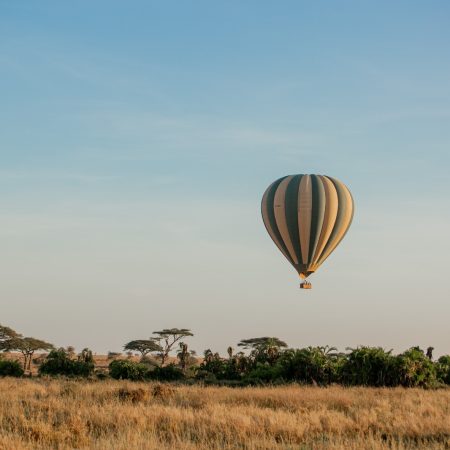
Many visitors combine Kilimanjaro trekking with:
Safari Destinations
- Serengeti National Park
- Ngorongoro Crater
- Tarangire National Park
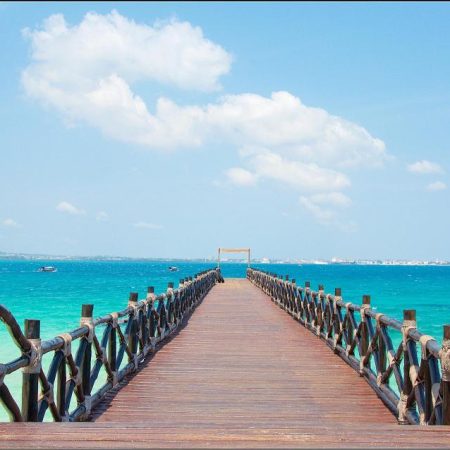
Beach Holidays
- Zanzibar
This combination creates the ultimate Tanzania adventure.
Conservation and Sustainability
Kilimanjaro National Park plays a vital role in protecting:
- Mountain ecosystems
- Endangered species
- Water resources
- Local communities
Responsible tourism helps preserve the mountain for future generations.
Why Choose Eshulai Safaris for Your Kilimanjaro Adventure?
Eshulai Safaris provides professionally guided Kilimanjaro climbing experiences with safety, comfort, and success as top priorities.
Why Climbers Choose Eshulai Safaris
- Certified mountain guides
- Experienced support crews
- High summit success rates
- Quality camping equipment
- Personalized itineraries
- Excellent customer service
Our team is dedicated to helping you achieve your dream of standing on Africa’s highest peak.
Frequently Asked Questions About Kilimanjaro National Park
How high is Mount Kilimanjaro?
Mount Kilimanjaro stands at 5,895 meters (19,341 feet).
Do I need climbing experience?
No technical climbing experience is required.
What is the easiest Kilimanjaro route?
The Marangu Route is generally considered the easiest due to hut accommodation and gradual ascent.
How many days does it take to climb Kilimanjaro?
Most routes take between 5 and 8 days.
What is the best month to climb Kilimanjaro?
June to October offers the best weather conditions.
Can I combine Kilimanjaro with a safari?
Yes. Many travelers combine Kilimanjaro climbs with safaris and Zanzibar beach holidays.
Final Thoughts
The Kilimanjaro National Park 2026, 2027 & 2028 experience remains one of the greatest adventure journeys in the world. From lush rainforests and volcanic landscapes to glaciers and the summit of Uhuru Peak, Kilimanjaro offers an unforgettable challenge and incredible rewards.
Whether you are an experienced trekker or a first-time climber, Mount Kilimanjaro provides a life-changing adventure that belongs on every traveler’s bucket list.
Book your Kilimanjaro climb today with Eshulai Safaris and take your first step toward the Roof of Africa.