May 30, 2026
Ngorongoro Conservation Area 2026, 2027 & 2028: The Ultimate Guide to Tanzania’s Wildlife Paradise
Introduction to Ngorongoro Conservation Area
The magnificent Ngorongoro Conservation Area is one of Africa’s most remarkable wildlife destinations and a must-visit location for travelers exploring Tanzania in 2026, 2027, and 2028. Famous for its breathtaking landscapes, rich wildlife populations, and the world-renowned Ngorongoro Crater, this protected area offers one of the best safari experiences anywhere on Earth.
Located in northern Tanzania, Ngorongoro Conservation Area is a UNESCO World Heritage Site that combines wildlife conservation with the preservation of traditional Maasai culture. Unlike many national parks, people and wildlife coexist within the conservation area, creating a unique ecosystem that showcases both natural beauty and cultural heritage.
Whether you are planning a luxury safari, family adventure, honeymoon getaway, photography expedition, or wildlife holiday, Ngorongoro Conservation Area delivers unforgettable experiences throughout the year.
Where Is Ngorongoro Conservation Area Located?
Ngorongoro Conservation Area lies within Tanzania’s famous Northern Safari Circuit, between Serengeti National Park and the city of Arusha.
Location Overview
| Destination | Distance |
|---|---|
| Arusha | Approximately 180 km |
| Serengeti National Park | Approximately 145 km |
| Lake Manyara National Park | Approximately 60 km |
| Kilimanjaro International Airport | Approximately 230 km |
Its strategic location makes it an essential stop on most Tanzania safari itineraries.
What Makes Ngorongoro Conservation Area Special?
Ngorongoro is unlike any other safari destination in Africa.
World’s Largest Intact Volcanic Caldera
The area is best known for the spectacular Ngorongoro Crater, the largest unbroken volcanic caldera in the world.
The crater measures approximately:
- 19 kilometers wide
- 600 meters deep
- 260 square kilometers in area
This natural wonder creates a self-contained wildlife ecosystem that supports thousands of animals year-round.
UNESCO World Heritage Site
Ngorongoro Conservation Area received UNESCO World Heritage status because of its:
- Unique geology
- Rich biodiversity
- Archaeological significance
- Cultural importance
It remains one of Tanzania’s most protected and treasured natural areas.
Big Five Safari Destination
Ngorongoro is one of the few places in Africa where visitors have an excellent chance of seeing all members of the Big Five during a single game drive.
The Big Five include:
- Lion
- Leopard
- Elephant
- Buffalo
- Black Rhino
The crater floor offers some of the highest wildlife densities in Africa.
The History of Ngorongoro Conservation Area
Ngorongoro’s history dates back millions of years.
The crater was formed when a giant volcano erupted and collapsed inward approximately two to three million years ago.
Today, the area contains:
- Volcanic highlands
- Crater lakes
- Grasslands
- Forests
- Swamps
It also holds some of the most important archaeological discoveries in human history.
Olduvai Gorge: The Cradle of Humankind
Located within Ngorongoro Conservation Area is the famous Olduvai Gorge.
Olduvai Gorge is one of the world’s most important paleoanthropological sites.
Significant discoveries include:
- Early human fossils
- Ancient stone tools
- Evidence of human evolution
Scientists often refer to the site as the “Cradle of Mankind.”
Visitors can explore museums and archaeological exhibits that showcase humanity’s ancient origins.
Wildlife in Ngorongoro Conservation Area
Ngorongoro supports an extraordinary variety of wildlife species.
Big Five Animals
The crater is particularly famous for:
Lions
Large prides dominate the crater floor and are frequently observed during game drives.
Leopards
Though more elusive, leopards are occasionally spotted in forested areas.
Elephants
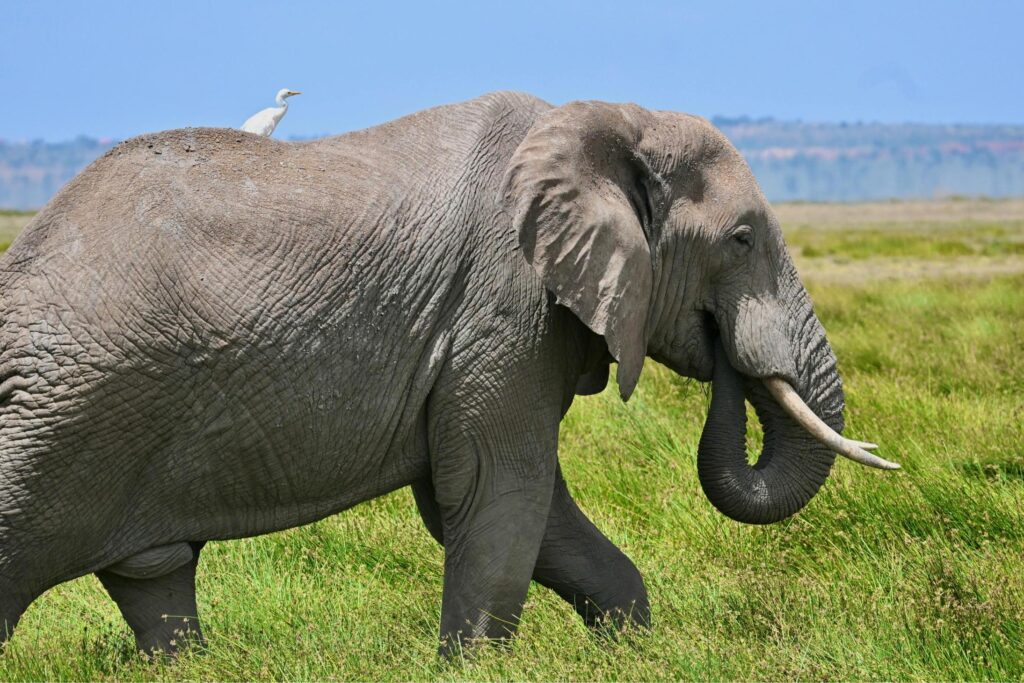
Massive bull elephants roam the crater and surrounding highlands.
Buffaloes
Large herds can be seen throughout the conservation area.
Black Rhinos
Ngorongoro is one of Tanzania’s best places to see endangered black rhinos.
Other Common Wildlife
Visitors may also encounter:
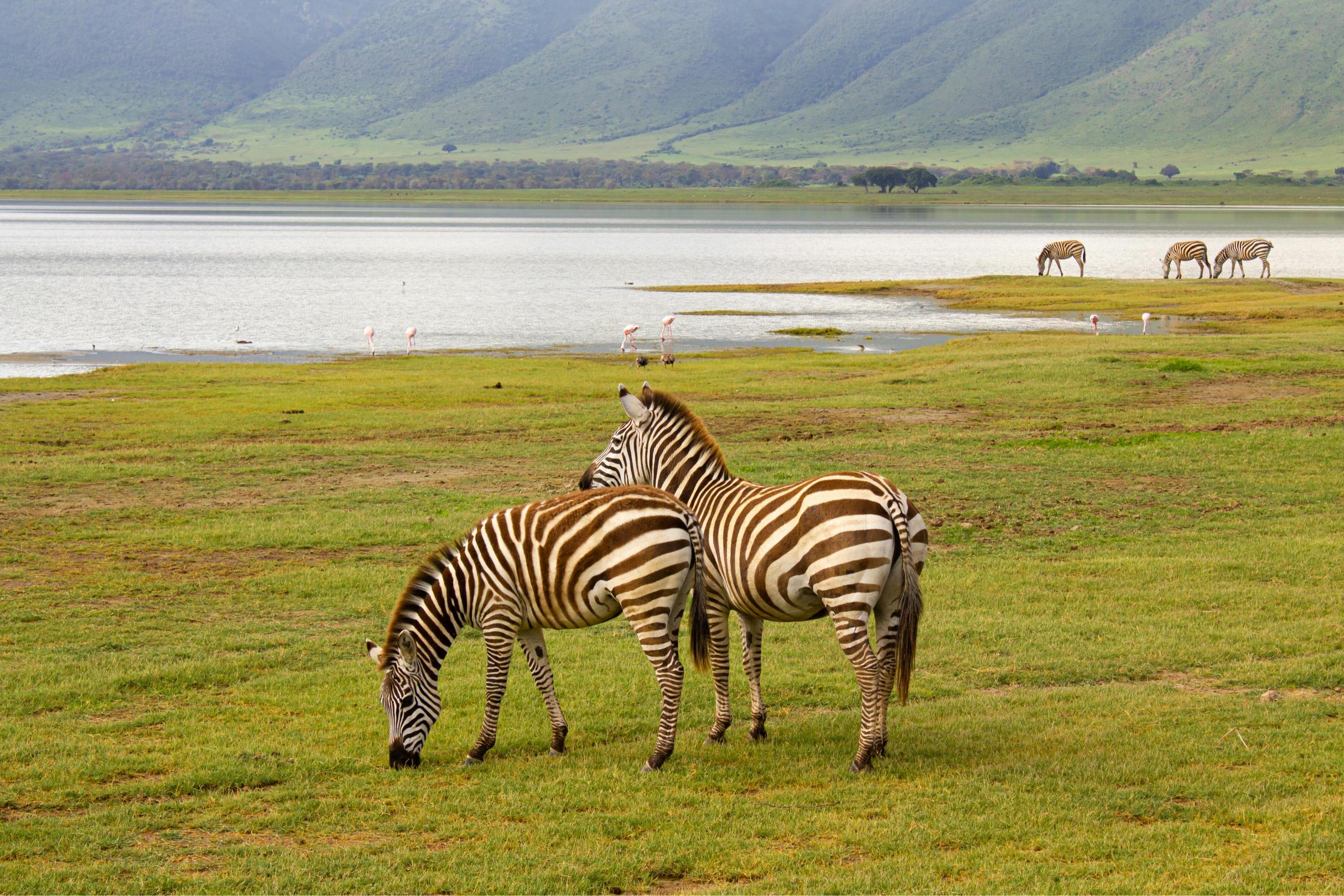
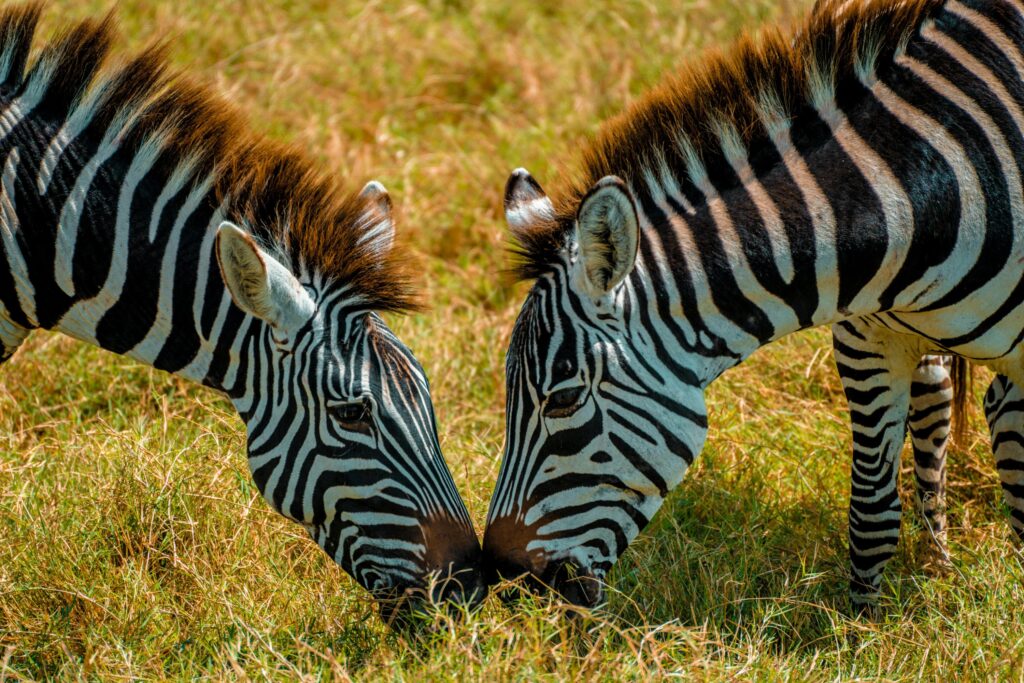
- Zebras
- Wildebeests
- Gazelles
- Hyenas
- Cheetahs
- Hippos
- Jackals
- Warthogs
- Serval cats
- Elands
Wildlife viewing remains excellent throughout the year.
Birdlife in Ngorongoro
Birdwatchers will find Ngorongoro exceptionally rewarding.
More than 500 bird species have been recorded within the conservation area.
Common birds include:
- Flamingos
- Ostriches
- Secretary birds
- Crowned cranes
- Eagles
- Vultures
- Hornbills
- Storks
Seasonal lakes often attract large numbers of migratory birds.
The Famous Ngorongoro Crater
The Ngorongoro Crater is undoubtedly the conservation area’s greatest attraction.
What Makes the Crater Unique?
The crater floor acts as a natural enclosure where wildlife thrives throughout the year.
Features include:
- Open grasslands
- Freshwater lakes
- Acacia forests
- Swamps
- Seasonal rivers
Because animals rarely migrate out of the crater, visitors enjoy reliable wildlife viewing in every season.
Wildlife Density
The crater supports approximately:
- 25,000 large mammals
- Hundreds of bird species
- Diverse predator populations
This concentration of wildlife creates extraordinary safari opportunities.
Best Time to Visit Ngorongoro Conservation Area
Ngorongoro offers excellent safari experiences throughout the year.
January to March
Highlights include:
- Green landscapes
- Calving season
- Excellent predator activity
- Fewer crowds
Perfect for wildlife photographers.
June to October
Highlights include:
- Dry weather
- Easy wildlife viewing
- Comfortable temperatures
- Peak safari season
This period is considered the best time for game viewing.
November to December
Highlights include:
- Scenic green landscapes
- Migratory birds
- Reduced tourist traffic
Ideal for travelers seeking quieter safaris.
Top Activities in Ngorongoro Conservation Area
Crater Game Drives
The most popular activity is a safari game drive into the crater.
Visitors can enjoy:
- Big Five sightings
- Wildlife photography
- Scenic landscapes
- Birdwatching opportunities
A full-day crater safari is highly recommended.
Maasai Cultural Experiences
The Maasai people continue to live within the conservation area.
Cultural tours offer opportunities to:
- Visit traditional villages
- Learn Maasai customs
- Watch cultural dances
- Explore local crafts
These experiences add cultural depth to any safari.
Olduvai Gorge Tours
Visitors interested in history and archaeology can explore Olduvai Gorge and its fascinating museums.
Photography Safaris
Ngorongoro offers some of Africa’s most spectacular photography opportunities.
Popular subjects include:
- Lions
- Rhinos
- Flamingos
- Landscapes
- Maasai culture
Sunrise and sunset photography can be particularly rewarding.
Accommodation Options in Ngorongoro
Ngorongoro offers accommodation options for every travel style and budget.
Luxury Lodges
Luxury lodges provide:
- Crater-view rooms
- Fine dining
- Spa facilities
- Personalized service
Ideal for honeymooners and luxury travelers.
Mid-Range Lodges
Popular among families and couples, these lodges offer:
- Comfortable rooms
- Excellent locations
- Affordable luxury
Budget Camps and Lodges
Budget travelers can enjoy:
- Affordable accommodations
- Comfortable facilities
- Authentic safari experiences
Camping options are also available.
Why Ngorongoro Is Perfect for Families
Families love Ngorongoro because it offers:
- Short game drive distances
- Excellent wildlife density
- Educational experiences
- Safe safari environments
- Comfortable accommodations
Children often enjoy spotting animals in the crater’s open landscapes.
Why Ngorongoro Is Perfect for Honeymooners
Few destinations combine romance and adventure like Ngorongoro.
Couples enjoy:
- Luxury crater-view lodges
- Romantic sunsets
- Private game drives
- Fine dining experiences
Many honeymooners combine Ngorongoro with Serengeti and Zanzibar holidays.
Conservation and Sustainability
Ngorongoro Conservation Area plays a vital role in protecting:
- Endangered black rhinos
- Wildlife migration routes
- Indigenous Maasai culture
- Natural ecosystems
Responsible tourism helps fund conservation efforts and supports local communities.
Visitors contribute directly to preserving one of Africa’s most important natural treasures.
Why Choose Eshulai Safaris for Your Ngorongoro Safari?
Eshulai Safaris specializes in creating unforgettable Tanzania safari experiences tailored to your interests and budget.
Why Travel with Eshulai Safaris?
- Experienced local safari guides
- Customized safari itineraries
- Luxury, mid-range, and budget options
- Comfortable 4×4 safari vehicles
- Personalized service
- Competitive pricing
- Authentic Tanzania experiences
Whether you want a family safari, honeymoon adventure, photography expedition, or luxury wildlife holiday, Eshulai Safaris ensures a memorable journey.
Frequently Asked Questions About Ngorongoro Conservation Area
Is Ngorongoro Crater worth visiting?
Absolutely. It is one of Africa’s most famous safari destinations and offers exceptional wildlife viewing.
Can I see the Big Five in Ngorongoro?
Yes. Ngorongoro is one of the best places in Tanzania to see all members of the Big Five.
How many days should I spend in Ngorongoro?
Most visitors spend one to two days exploring the conservation area.
What is the best time to visit Ngorongoro?
The area offers excellent wildlife viewing year-round, although June to October is especially popular.
Is Ngorongoro suitable for families?
Yes. Families appreciate the high concentration of wildlife and comfortable accommodations.
Can I combine Ngorongoro with Serengeti and Zanzibar?
Yes. Many travelers combine all three destinations for the ultimate Tanzania safari and beach holiday.
Final Thoughts
The Ngorongoro Conservation Area 2026, 2027 & 2028 remains one of Africa’s most extraordinary safari destinations. From the world-famous Ngorongoro Crater and incredible Big Five sightings to rich Maasai culture and fascinating archaeological discoveries, the conservation area offers something for every traveler.
Whether you are planning a luxury safari, family adventure, honeymoon getaway, or wildlife photography expedition, Ngorongoro provides unforgettable experiences and lifelong memories.
Book your Tanzania safari today with Eshulai Safaris and discover why Ngorongoro Conservation Area is one of the greatest wildlife destinations on Earth.