May 30, 2026
Tarangire National Park 2026, 2027 & 2028: The Ultimate Guide to Tanzania’s Elephant Paradise
Introduction to Tarangire National Park
When planning a Tanzania safari in 2026, 2027, or 2028, one destination that deserves a place on every itinerary is Tarangire National Park. Often overshadowed by Serengeti and Ngorongoro, Tarangire is one of Tanzania’s hidden gems, offering exceptional wildlife viewing, breathtaking landscapes, and some of the largest elephant populations in Africa.
Known for its giant baobab trees, vast savannahs, seasonal wetlands, and thriving wildlife populations, Tarangire National Park provides an authentic safari experience away from larger crowds. During the dry season, the park becomes a wildlife magnet as thousands of animals gather around the life-giving Tarangire River.
Whether you are a first-time safari traveler, wildlife photographer, honeymoon couple, family, or seasoned adventurer, Tarangire National Park delivers unforgettable safari moments throughout the year.
Where Is Tarangire National Park Located?
Tarangire National Park is situated in northern Tanzania and forms part of the country’s famous Northern Safari Circuit.
Location Overview
| Destination | Distance |
|---|---|
| Arusha | Approximately 120 km |
| Lake Manyara National Park | Approximately 70 km |
| Ngorongoro Conservation Area | Approximately 150 km |
| Serengeti National Park | Approximately 300 km |
The park is easily accessible from Arusha, making it a popular first stop on multi-day Tanzania safaris.
Overview of Tarangire National Park
Established in 1970, Tarangire National Park covers approximately 2,850 square kilometers, making it the sixth-largest national park in Tanzania.
The park takes its name from the Tarangire River, which flows through the area and serves as the primary water source for wildlife during the dry season.
Quick Facts About Tarangire
| Feature | Details |
|---|---|
| Location | Northern Tanzania |
| Size | 2,850 km² |
| Famous For | Elephants and Baobab Trees |
| Best Safari Activity | Game Drives |
| Best Time to Visit | June to October |
| Major River | Tarangire River |
The combination of diverse habitats and reliable water sources makes Tarangire one of East Africa’s premier wildlife destinations.
Why Is Tarangire National Park Famous?
Tarangire is famous for several unique features that distinguish it from other safari destinations.
Large Elephant Herds
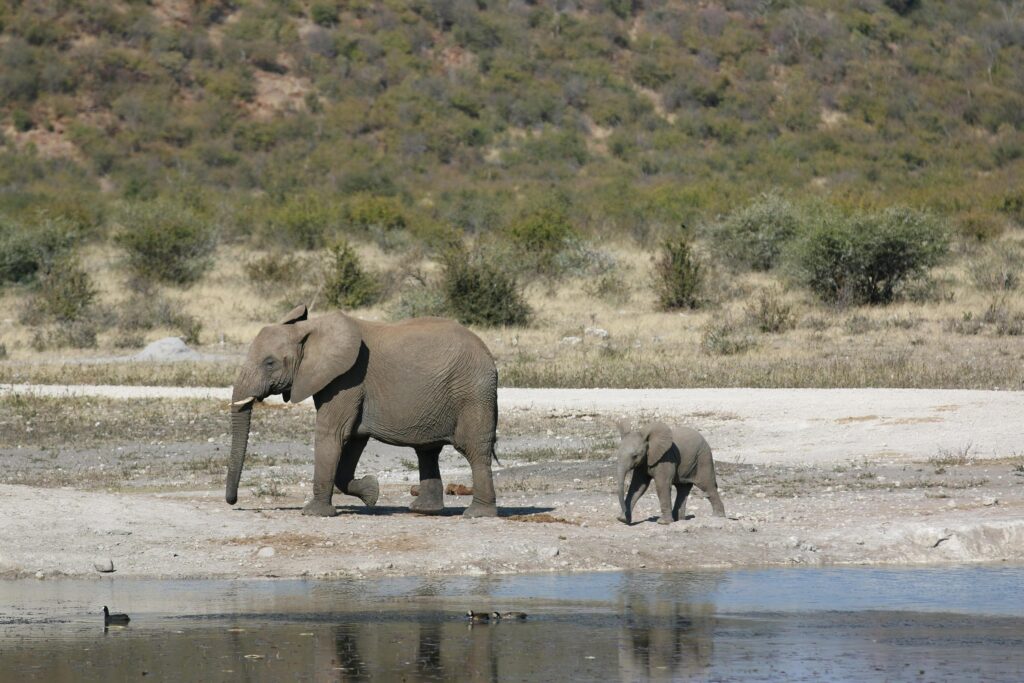
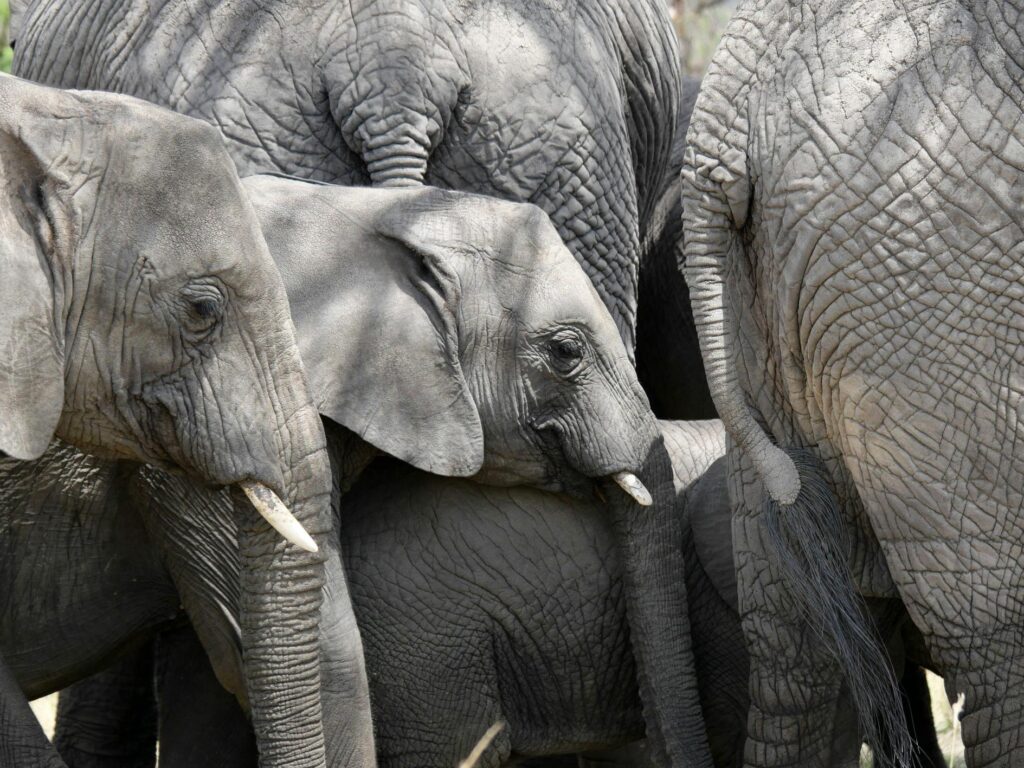
Tarangire is often referred to as Tanzania’s Elephant Paradise.
During the dry season, visitors frequently observe:
- Herds of 100 to 300 elephants
- Large family groups
- Young calves playing near water sources
- Mature bulls with impressive tusks
Few places in Africa offer elephant sightings on this scale.
Ancient Baobab Trees
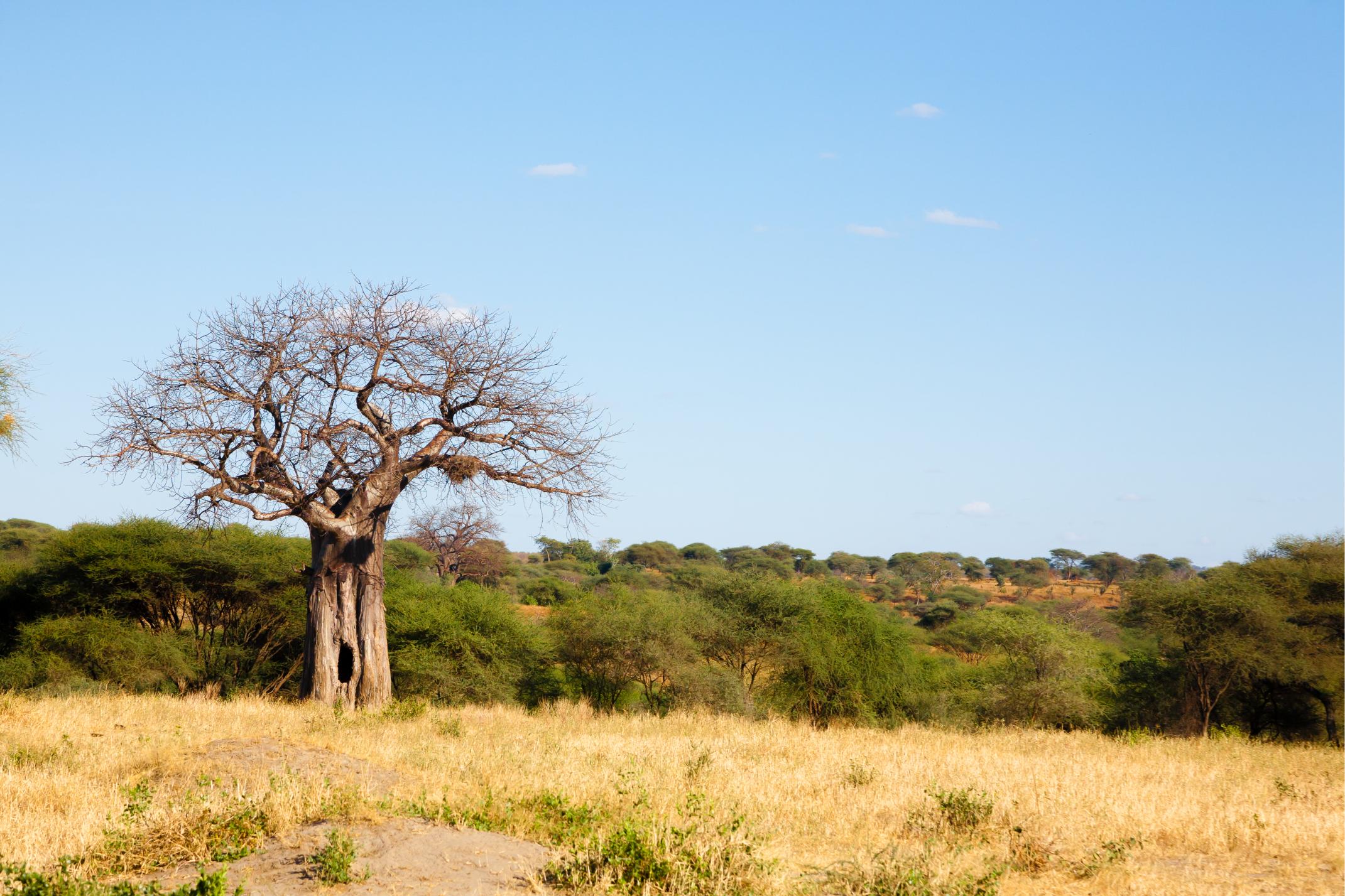
The park is home to thousands of iconic baobab trees, some of which are believed to be over a thousand years old.
These giant trees create one of the most recognizable landscapes in Tanzania and provide excellent photography opportunities.
Seasonal Wildlife Migration
Every year, thousands of animals migrate into Tarangire during the dry season.
Species include:
- Wildebeests
- Zebras
- Buffaloes
- Gazelles
- Elands
This seasonal movement creates spectacular wildlife viewing opportunities.
Wildlife in Tarangire National Park
Tarangire supports one of Tanzania’s richest wildlife populations.
Mammals Found in Tarangire
Visitors may encounter:
- Elephants
- Lions
- Leopards
- Cheetahs
- Buffaloes
- Giraffes
- Zebras
- Wildebeests
- Warthogs
- Impalas
- Elands
- Waterbucks
- Dik-diks
- Oryx
- Hyenas
Wildlife sightings are excellent throughout much of the year.
Predators in Tarangire
Tarangire is home to several predator species.
Common predator sightings include:
Lions
Large prides can often be seen resting under acacia trees or hunting prey.
Leopards
Though elusive, leopards are occasionally spotted in riverine woodlands.
Cheetahs
Open grasslands provide ideal habitats for cheetahs.
Hyenas
Spotted hyenas are common throughout the park.
Predator activity is especially exciting during the dry season.
Birdwatching in Tarangire National Park
Tarangire is a paradise for bird enthusiasts.
More than 550 bird species have been recorded within the park.
Popular species include:
- Yellow-collared lovebirds
- Kori bustards
- Ostriches
- Secretary birds
- Eagles
- Hornbills
- Kingfishers
- Vultures
The wet season offers particularly rewarding birdwatching opportunities due to migratory species.
The Famous Tarangire River
The Tarangire River is the lifeline of the park.
During the dry season, when surrounding regions become increasingly arid, wildlife congregates around the river in enormous numbers.
Visitors often witness:
- Elephants drinking and bathing
- Buffalo herds crossing the river
- Predators stalking prey
- Diverse birdlife along the riverbanks
The river plays a critical role in supporting the park’s ecosystem.
Best Time to Visit Tarangire National Park
Tarangire offers unique safari experiences throughout the year.
Dry Season (June to October)
This is considered the best time for wildlife viewing.
Highlights include:
- Massive elephant herds
- High wildlife concentrations
- Excellent predator sightings
- Clear weather conditions
The dry season attracts visitors from around the world.
Green Season (November to May)
The park transforms into a lush landscape during the rainy season.
Benefits include:
- Fewer tourists
- Beautiful green scenery
- Bird migration
- Newborn animals
Photographers often prefer this season because of the vibrant colors and dramatic skies.
Top Activities in Tarangire National Park
Game Drives
Game drives remain the most popular activity.
Options include:
- Morning game drives
- Afternoon game drives
- Full-day safaris
- Private game drives
Every safari provides unique wildlife encounters.
Walking Safaris
Certain areas surrounding Tarangire offer guided walking safaris.
Visitors can:
- Learn animal tracking techniques
- Explore smaller wildlife species
- Experience nature up close
Walking safaris add a different perspective to traditional game drives.
Photography Safaris
Tarangire is a dream destination for photographers.
Popular subjects include:
- Elephant herds
- Baobab trees
- African sunsets
- Predators
- Birdlife
The combination of wildlife and dramatic landscapes creates endless photographic opportunities.
Cultural Tours
Visitors can also experience local culture through nearby Maasai communities.
Activities include:
- Traditional village visits
- Cultural performances
- Learning Maasai customs
- Handcrafted souvenir shopping
These cultural experiences complement the wildlife adventure.
Accommodation in Tarangire National Park
Tarangire offers accommodations suitable for every type of traveler.
Luxury Lodges
Luxury options typically feature:
- Private suites
- Swimming pools
- Fine dining
- Wildlife-viewing decks
- Exceptional service
Ideal for honeymooners and luxury safari travelers.
Tented Camps
Luxury tented camps provide:
- Authentic safari atmosphere
- Comfortable accommodations
- Private bathrooms
- Excellent wildlife access
Many visitors consider tented camps the most immersive safari experience.
Budget Camps and Lodges
Budget travelers can enjoy:
- Affordable accommodations
- Comfortable facilities
- Great safari access
These options are perfect for adventure travelers and families.
Why Tarangire Is Perfect for Families
Families appreciate Tarangire because of:
- Frequent elephant sightings
- Short travel distances
- Educational wildlife experiences
- Family-friendly lodges
- Safe safari environments
Children especially enjoy watching large elephant herds interact around water sources.
Why Tarangire Is Perfect for Honeymooners
Tarangire offers a quieter and more intimate safari experience.
Couples enjoy:
- Romantic safari lodges
- Scenic sunsets
- Private game drives
- Luxury tented camps
Many honeymoon itineraries combine Tarangire with Serengeti and Zanzibar.
Conservation in Tarangire National Park
Tarangire plays an important role in wildlife conservation across northern Tanzania.
Protection efforts focus on:
- Elephant conservation
- Wildlife migration corridors
- Habitat preservation
- Community-based conservation
Responsible tourism directly supports these conservation initiatives.
Visitors contribute to protecting wildlife and supporting local communities.
Why Choose Eshulai Safaris for Your Tarangire Adventure?
Eshulai Safaris specializes in personalized Tanzania safari experiences designed around your interests, budget, and travel goals.
Why Travelers Choose Eshulai Safaris
- Professional local safari guides
- Customized safari itineraries
- Luxury, mid-range, and budget options
- Comfortable 4×4 safari vehicles
- Competitive pricing
- Personalized service
- Exceptional wildlife expertise
Whether you are planning a family safari, honeymoon adventure, photography expedition, or luxury wildlife holiday, Eshulai Safaris ensures an unforgettable experience.
Frequently Asked Questions About Tarangire National Park
What is Tarangire National Park famous for?
Tarangire is famous for its large elephant herds, ancient baobab trees, and exceptional dry-season wildlife viewing.
How many days should I spend in Tarangire?
Most visitors spend one to two days in Tarangire, although wildlife enthusiasts may choose longer stays.
Can I see the Big Five in Tarangire?
Tarangire offers excellent opportunities to see elephants, lions, leopards, and buffaloes. Rhinos are rarely found within the park.
When is the best time to visit Tarangire?
June to October offers the best wildlife viewing as animals gather around the Tarangire River.
Is Tarangire suitable for families?
Yes. Tarangire is one of Tanzania’s most family-friendly safari destinations.
Can I combine Tarangire with Serengeti and Ngorongoro?
Absolutely. Tarangire is commonly included in Northern Circuit safari itineraries alongside Serengeti and Ngorongoro.
Final Thoughts
The Tarangire National Park 2026, 2027 & 2028 experience offers everything travelers dream about when visiting Africa. From giant elephant herds and ancient baobab trees to spectacular landscapes and exceptional wildlife viewing, Tarangire remains one of Tanzania’s most rewarding safari destinations.
Whether you are planning your first safari, a family vacation, a honeymoon, or a wildlife photography expedition, Tarangire National Park delivers unforgettable adventures and lifelong memories.
Book your Tanzania safari today with Eshulai Safaris and discover why Tarangire National Park is known as the Elephant Paradise of Tanzania.